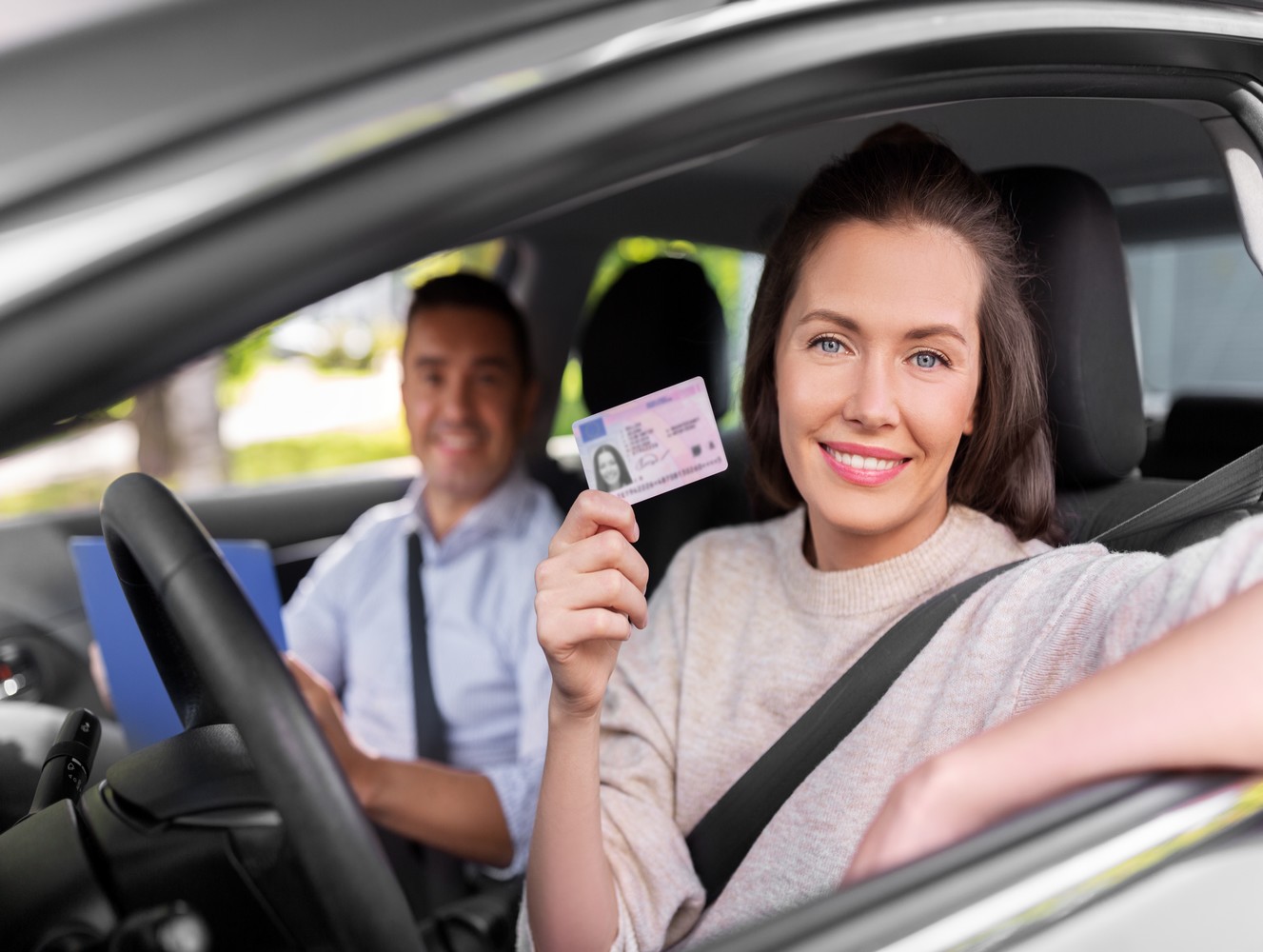
11 “Faux Pas” That Are Actually Acceptable To Do With Your Buy Real Driver's Permit
Understanding and Obtaining a Real Driver's Permit: A Comprehensive Guide
In today's hectic world, having a driver's permit is more than simply a notepad; it's an entrance to personal freedom and movement. Whether you're a young adult ready to turn 16, a new citizen in a different state, or someone who has never ever had the need to drive before, obtaining a real driver's permit is an important step in the journey to becoming a licensed driver. This article intends to offer an in-depth guide on how to acquire a driver's permit, the importance of following legal procedures, and the actions included in the procedure.
The Importance of a Real Driver's Permit
A real driver's permit, likewise understood as a learner's authorization or provisionary license, serves several crucial purposes. First of all, it legally licenses the holder to run a motor car under the guidance of a certified driver. This is essential for newbies who are still discovering the guidelines of the road and establishing their driving abilities. Second of all, a driver's authorization is a prerequisite for getting a full driver's license, which is essential for driving independently. Lastly, having a legitimate driver's license can avoid legal issues and fines related to unlicensed driving.
Actions to Obtain a Real Driver's Permit
The procedure of obtaining a driver's license can differ by country and state, but the basic steps are similar. Here's an extensive guide to help you through the process:
1. Inspect Eligibility Requirements
Before you start the application process, it's crucial to verify that you fulfill the eligibility criteria. Common requirements consist of:
- Age: Most states require applicants to be a minimum of 15 or 16 years old.
- Residency: You must be a homeowner of the state or country where you are using.
- Recognition: You require to supply legitimate evidence of identity, such as a birth certificate, passport, or social security card.
- Vision Test: Many jurisdictions require a vision test to ensure you can see well sufficient to drive safely.
2. Research study the Driver's Manual
Each state or country offers a driver's handbook that outlines the guidelines of the road, traffic indications, and driving treatments. It's necessary to study this manual thoroughly as the knowledge you acquire will be vital for passing the composed test. The manual can typically be found online on the main federal government transportation website or acquired from a local Department of Motor Vehicles (DMV) office.
3. Take the Written Test
When you've studied the driver's manual, the next action is to take the composed test. This test evaluates your knowledge of traffic laws, roadway indications, and safe driving practices. The test is normally multiple-choice and can be taken at a regional DMV office or, sometimes, online. acheter un permis de conduire 's a good idea to take practice tests to prepare for the real thing.
- Tips for Passing the Written Test:
- Understand the format and time limitation of the test.
- Focus on key locations such as traffic signs, road guidelines, and security.
- Check out each concern carefully and consider all possible responses.
4. Complete Required Documentation
After passing the written test, you'll require to complete some documents. This usually includes:
- Application Form: Fill out the driver's license application kind, which can be found online or at the DMV.
- Picture: Provide a recent, clear image for your authorization.
- Fees: Pay the required charges for the permit. Charges can vary, so contact your regional DMV for the most precise info.
5. Take the Vision Test
If the vision test was not included in the written test, you'll require to take it separately. The vision test is developed to guarantee that you can see well sufficient to drive safely. If you wear glasses or contacts, make certain to bring them to the test.
6. Get Your Driver's Permit
When you've completed all the actions, you will receive your driver's permit. This permit normally has a credibility period, during which you need to finish the required driving hours and training.
Driving with a Learner's Permit
Having a student's authorization includes specific rules and limitations to guarantee the security of new motorists and other road users. Some common constraints consist of:
- Supervised Driving: You need to always drive with a certified driver who is at least 21 years old (this age can vary by state) and has a valid driver's license.
- Driving Hours: Some states need a minimum variety of monitored driving hours, typically varying from 40 to 50 hours.
- Curfew: There may be a driving curfew, such as no driving in between midnight and 5:00 a.m.
- Passenger Restrictions: You may be restricted to the variety of passengers you can have in the car, especially other young motorists.
Advancing to a Full Driver's License
When you've held your learner's authorization for the required duration and completed the required driving hours, you can look for a full driver's license. This generally includes:
- Driver's Education: Completing a driver's education course, which is frequently obligatory.
- Behind-the-Wheel Training: Logging a certain variety of driving hours with a certified trainer or a monitoring driver.
- Roadway Test: Passing a road test, which assesses your capability to drive securely in numerous traffic conditions.
- Driver's License Application: Submitting the last application and paying the needed costs.
Regularly Asked Questions (FAQs)
Q: Can I look for a driver's license online?
A: In lots of states, you can request a driver's permit online. However, you may still require to check out a DMV office to take the written test, vision test, and get your image taken. Examine click through the up coming web site for the specific process in your location.
Q: What if I stop working the written test?
A: If you stop working the written test, don't fret. A lot of states enable you to retake the test after a particular duration, usually one to two weeks. Use this time to examine the locations where you struggled and take practice tests to enhance your score.
Q: Do I need to take a driver's education course?
A: Driver's education courses are often compulsory for new chauffeurs, specifically those under a specific age. These courses supply valuable instruction on safe driving practices and are typically used in high schools or through private driving schools.
Q: Can I drive alone with a student's license?
A: No, you can not drive alone with a learner's authorization. You must constantly be accompanied by a certified driver who is at least 21 years of ages (or the age specified by your state) and can sit in the front traveler seat to monitor you.
Q: How long is a student's permit valid?
A: The validity duration of a learner's authorization can vary by state, however it is typically between 6 months to 2 years. Check your permit for the exact expiration date and the requirements for restoring it if essential.
Q: Are there any special requirements for international students?
A: International trainees may need to provide additional documents, such as a student visa or a legitimate passport, when getting a driver's permit. Some states may likewise have various age requirements or constraints for international trainees. It's best to contact the local DMV for specific requirements.
The Risks of Obtaining a Fake Driver's Permit
While the process of getting a real driver's permit may appear lengthy and difficult, it is essential to finish it legally. Attempting to acquire a fake driver's permit can have serious effects, consisting of:
- Legal Penalties: You could face fines, jail time, and a criminal record for using or having a fake permit.
- Insurance coverage Issues: If you are associated with a mishap while using a fake license, your insurance might be invalidated, leading to substantial monetary losses.
- Trust and Safety: Using a fake permit weakens the trust and safety of the driving community, putting yourself and others at threat.
Acquiring a real driver's license is a significant step towards becoming a responsible and safe driver. By following the legal procedure, you not only gain the essential skills and understanding but also ensure that you are secured and can drive without fear of legal repercussions. While the journey may need perseverance and devotion, the independence and mobility that a driver's permit provides make it well worth the effort. For those who are new to the process or not sure about the steps, this guide should serve as a practical resource. Remember, the secret to a successful driving profession starts with a legitimate and real driver's authorization.
Extra Resources
- DMV Website: Check your local DMV website for particular requirements and forms.
- Driver's Education Courses: Look for accredited driver's education programs in your area.
- Practice Tests: Utilize online practice tests to prepare for the written test.
By sticking to the legal procedures and taking the required steps, you can make sure a smooth and safe shift into becoming a completely licensed driver.